Hounslow Council disposal and recycling rules for garden companies
If you run a garden business in Hounslow, disposal can be one of those jobs that looks simple until you are knee-deep in cuttings, branches, turf, soil, and the odd broken planter. The rules around Hounslow Council disposal and recycling rules for garden companies matter because they shape how you separate waste, where it goes, and how you prove it was handled properly. Get it wrong and it can become messy quickly. Get it right and your work feels smoother, greener, and a lot more professional.
This guide breaks the topic down in plain English. You will see what the rules mean in day-to-day garden work, how to stay organised on site, what mistakes to avoid, and how to build a repeatable process that protects your time and reputation. In other words, less guesswork, fewer awkward surprises, and a cleaner finish for your customers.
Table of Contents
- Why it matters
- How it works
- Key benefits and practical advantages
- Who this is for and when it makes sense
- Step-by-step guidance
- Expert tips for better results
- Common mistakes to avoid
- Tools, resources and recommendations
- Law, compliance, standards, or best practice
- Options, methods, or comparison table
- Case study or real-world example
- Practical checklist
- Conclusion
- Frequently asked questions
Why Hounslow Council disposal and recycling rules for garden companies Matters
For a garden company, waste is not just waste. A sack of lawn clippings, a pile of hedge trimmings, and a load of mixed green waste each create different disposal decisions. That is where local council rules start to matter. In practical terms, they influence whether your waste is sorted properly, whether recyclable material is kept clean, and whether your team avoids leaving a client with an unnecessary headache.
Hounslow, like many London boroughs, expects waste to be managed responsibly. Garden businesses should not treat this as a box-ticking exercise. Customers notice the difference. A tidy, well-managed clearance job feels calm and deliberate. A job with scattered bags, mixed rubbish, and no clear plan feels chaotic, even if the planting itself is excellent. Let's face it, people judge the whole service by the mess in the driveway too.
There is also a practical side. Mixed waste is usually more expensive and harder to handle than properly separated green waste. Recyclable materials can often be recovered more efficiently when they are kept clean and uncontaminated. That means better operations, fewer rejected loads, and fewer awkward conversations with a disposal site. Nobody wants to drive across town twice because the first load was contaminated with general rubbish.
If your business also provides broader maintenance or clearance work, these rules touch almost everything you do. Routine mowing creates clippings. Ongoing garden maintenance creates repeated small waste streams. Garden clearance produces larger, mixed loads. And larger projects, such as tree lopping and removal, can add woody waste, stump material, and awkward bulky items. The better your disposal system, the easier all of it becomes.
How Hounslow Council disposal and recycling rules for garden companies Works
At a working level, the process is about separation, containment, transfer, and evidence. You separate garden waste from non-garden waste. You keep reusable or recyclable materials clean. You transport the waste safely. And you make sure it ends up at a suitable facility that can accept it.
Most garden companies deal with several common waste types:
- green waste such as grass cuttings, leaves, weeds, and prunings
- woody waste such as branches, hedge trimmings, and small logs
- soil, turf, and stones
- mixed garden waste contaminated with plastic, pots, twine, or general rubbish
- construction-adjacent waste from landscaping jobs, such as timber offcuts or old decking materials
The main principle is simple: the cleaner the stream, the better the recycling outcome. A pile of hedge clippings is very different from a bin bag full of soil, old plant pots, and broken bits of fencing. If you mix everything together, you create more work for everyone. If you keep waste sorted from the start, you save time later. That is the kind of thing that sounds obvious after the fact, but on a rainy Thursday afternoon it is easy to let it slide.
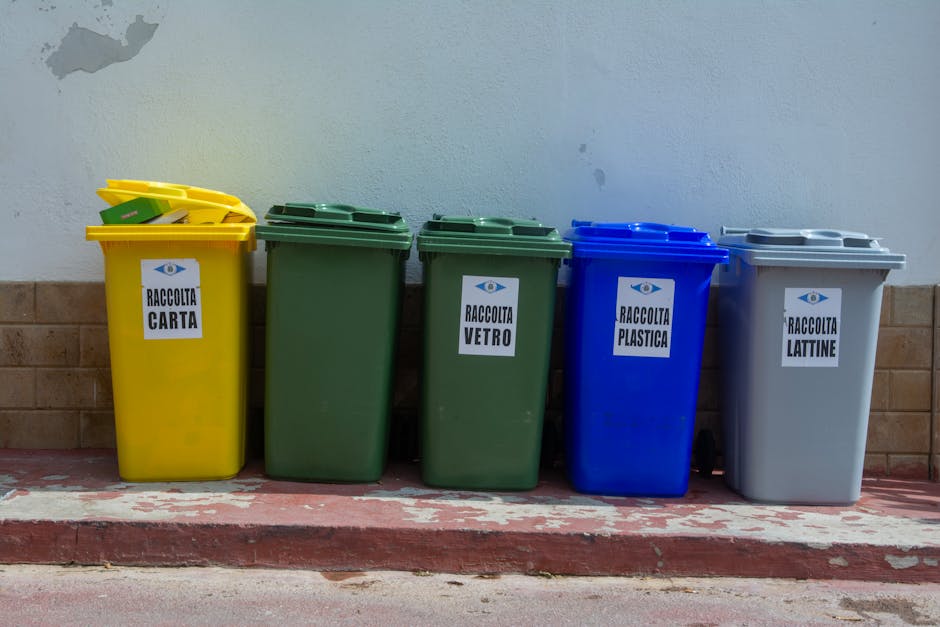
For many garden teams, the best approach is to think in zones. One container for green waste, one for woody material, one for general rubbish if unavoidable, and one for materials that may need special handling. Some companies also keep separate bags for contamination so nothing slips into a recyclable load by mistake. That extra bit of discipline pays off fast.
It also helps to align disposal with the type of job. A lawn mowing service might create lighter, more frequent waste that can be collected regularly. A full landscape redesign may generate a heavier mix of organic waste and inert materials. If you are providing landscaping or landscape gardening, you need a firmer plan because the waste profile changes from one stage of the job to the next.
Key Benefits and Practical Advantages
Following the rules properly is not just about avoiding trouble. Done well, it gives your business a real edge.
- Cleaner sites: Customers see a more professional finish when waste is handled neatly.
- Better recycling outcomes: Green waste can often be processed more effectively when it is not mixed with general rubbish.
- Fewer delays: Organised loads are quicker to sort, collect, and drop off.
- Lower risk of rejected waste: Contaminated loads are a common headache; keep them clean and life gets easier.
- Stronger trust: Clients feel more comfortable when a company is clearly working responsibly.
- Reduced operational friction: Crews spend less time reorganising waste at the end of a job.
There is also a reputation benefit that often gets overlooked. If you are trying to win repeat work, the way you handle waste quietly signals how the rest of your business operates. People notice when bags are stacked safely, when the driveway is swept, and when no one leaves a muddy trail through the gate. Small thing, big impression.
For service businesses with multiple job types, good waste handling also supports consistency. A client booking hedge trimming today and planting work next month should get the same careful standard each time. That consistency is especially useful if you want to present a broader, more reliable service offering through a page like services overview.
Who This Is For and When It Makes Sense
This topic matters for anyone in the local garden trade who produces, transports, or arranges disposal of garden-related waste. That includes sole traders, small crews, subcontractors, and larger firms. If you are turning up with shears, a mower, pruning tools, or clearance equipment, these rules are part of your working reality.
It becomes especially important in these situations:
- regular maintenance rounds with recurring grass and hedge waste
- large seasonal clearances, especially in spring and autumn
- jobs involving dense hedging, mature shrubs, or tree work
- landscaping projects that create mixed organic and non-organic waste
- client sites with limited access where waste has to be moved carefully by hand
If your work includes features like timber structures or old surfaces, the disposal picture becomes more complex. For example, jobs connected with decking services can generate offcuts or old materials that should not be treated as ordinary green waste. The same goes for larger clearance jobs where a site may contain a mix of garden debris and household rubbish left behind by the previous occupier.
Truth be told, many problems happen not because a team is careless, but because they assume a small job does not need a system. Then the load grows. Then the van fills. Then the team starts improvising. That is when mistakes creep in. A simple process helps whether you are clearing a tiny front garden or stripping back a jungle of bramble at the end of the day.
Step-by-Step Guidance
Here is a practical way to build a cleaner, safer disposal routine for garden work in Hounslow.
- Identify the waste before starting. Walk the site and note what you will be removing. Green waste, woody waste, soil, and mixed rubbish should be planned separately where possible.
- Choose the right containers. Use bags, bins, sacks, cages, or van storage that suit the load. Do not rely on one giant mixed pile if you can help it.
- Keep contamination out. Remove plastic pots, twine, tape, metal fixings, and general litter before the waste goes into recyclable streams.
- Load the van sensibly. Heavy material should go in safely and in a way that does not crush lighter recyclable material.
- Transport to an appropriate facility. Use a destination that can handle the type of waste you are carrying. If in doubt, separate more rather than less.
- Record what left the site. Keep basic internal notes so you can explain what was removed and where it went.
- Review the job after collection. Ask what caused delays or contamination and tighten the process for next time.
A small but useful habit is to finish every site with a "last sweep" check. That means checking corners, borders, under shrubs, and the back of the van for stray material. It takes a minute. Sometimes two. Yet it saves that awkward moment when a client spots a forgotten bag next to the gate as you are pulling away. Not ideal.
If your team works alongside scheduled maintenance, such as hedge trimming or regular garden maintenance, it helps to standardise the disposal routine for each visit. Repetition is your friend here. The same sequence, the same checks, the same habit.
Expert Tips for Better Results
Once the basics are in place, a few small improvements can make the whole process feel far more controlled.
- Use separate bags for different waste types. It sounds obvious, but mixed bags are a classic source of trouble.
- Keep dry and wet waste apart where practical. Wet cuttings are heavier, slippier, and harder to manage.
- Label containers internally. A simple colour or note system reduces confusion when the day gets busy.
- Plan for heavy materials early. Soil and turf can dominate a load quickly, so do not leave them to the end of the day without a plan.
- Train everyone to spot contamination. One person missing a plastic bag can spoil a recyclable load.
Here is a very practical one: keep a small "contamination grab bag" in the van for items that turn up unexpectedly. Bits of plastic, wires, broken stakes, bottle caps, you name it. Garden jobs are rarely as neat as the brochure suggests. By mid-afternoon you can end up with a surprising collection of oddments.
Another good habit is to think ahead during quoting. If a job is likely to produce extra waste, disposal should be considered before the crew arrives. That is not just better for pricing, it avoids the scramble of trying to fit a bulky load into a plan made for a light tidy-up.
And if you want your wider business to look serious about responsible working, it helps to explain your approach in your policies too. Pages such as recycling and sustainability, health and safety policy, and insurance and safety can support that trust signal for customers who care about how the job is run behind the scenes.
Common Mistakes to Avoid
Most disposal problems are boringly repeatable. That is actually good news, because it means they are avoidable.
- Mixing everything together. Green waste, rubble, plastic, and household rubbish should not all end up in one load unless there is no alternative and it is handled correctly.
- Ignoring contaminated waste. A few bits of plastic or metal can downgrade an otherwise recyclable load.
- Overfilling bags and vehicles. It creates safety issues and makes unloading awkward.
- Assuming all garden waste is the same. It really is not. Grass, branches, soil, and timber behave differently.
- Leaving no paper trail. Even simple internal records help if a client asks what was removed.
- Forgetting site access constraints. Narrow alleys, shared drives, and front-garden jobs need a different approach.
One common trap is underestimating the amount of waste that comes from "small" work. A quick tidy can still generate more bags than expected, especially after a period of fast growth or storm damage. By the time the third wheelbarrow load appears, the van begins to look a bit too full for comfort.
Another mistake is treating disposal as a leftover task instead of part of the service. In reality, the job is only finished when the waste is gone properly and the site is left clean. Everything else is just halfway there.
Tools, Resources and Recommendations
You do not need fancy kit to do this well, but the right basics make a big difference.
- Heavy-duty sacks and rubble bags: useful for separating lighter green waste from heavier material.
- Wheelbarrows and tubs: help when access is tight or the load needs to be moved in stages.
- Tarpaulins: handy for keeping loads contained and preventing leaf litter from blowing everywhere.
- Gloves and basic PPE: essential when handling brash, thorny cuttings, and mixed debris.
- Simple job sheets: useful for noting waste types, volumes, and any special instructions.
- Split storage in the van: ideal if you regularly carry more than one waste type.
For garden businesses that want a tidier client journey as well as a tidier site, it can help to connect waste handling with the rest of the service process. For instance, customers looking at garden clearance or broader landscape gardening work often want reassurance that the finish will be clean, safe, and responsibly disposed of. That reassurance matters.
If you are still defining your service mix, services overview is a useful way to frame what you do and how your team approaches the work. It is easier to explain your disposal standards when your services are clearly organised.
Law, Compliance, Standards, or Best Practice
Waste disposal in the UK sits within a broader legal and practical framework, and garden businesses should work carefully within it. The exact obligations can depend on the type of waste, how much you carry, whether you transport it yourself, and where it is taken. That is why it is sensible to treat council guidance, site rules, and general waste law as part of the same picture rather than separate chores.
At a basic level, garden companies should aim to:
- keep waste separated where practical
- avoid contamination of recyclable material
- store and transport waste safely
- use lawful and suitable disposal routes
- maintain records or job notes where appropriate
Best practice also means being careful with materials that are not pure garden waste. Treated timber, paint, rubble, soil mixed with foreign objects, and discarded household items can require different handling. If a site contains anything uncertain, stop and assess it before simply tipping it into the nearest bag. That little pause can save a lot of trouble later. Honestly, it is one of the cheapest forms of risk management you will ever use.
For Hounslow-based firms, local expectations matter as much as general standards. Councils often care about cleanliness, fly-tipping prevention, contamination control, and responsible disposal behaviour. Even where rules are not spelled out in the same way for every scenario, the practical expectation is clear: do not leave waste in the wrong place, do not mix it carelessly, and do not assume the client's bin is your default solution.
If your business also wants to build trust around policies and conduct, supporting pages like about us, terms and conditions, and contact us help set expectations in a transparent, ordinary kind of way. That transparency is underrated.
Options, Methods, or Comparison Table
Different disposal methods suit different jobs. Here is a simple comparison to help you decide what makes sense on the day.
| Method | Best for | Strengths | Limitations |
|---|---|---|---|
| Separate green waste bags | Grass, leaves, soft cuttings | Simple, clean, easy to sort | Not ideal for heavy or wet loads |
| Dedicated woody waste bundles | Branches, hedge trimmings, prunings | Good for volume control and recycling | Can be bulky and awkward to stack |
| Mixed waste collection | Complex clearances with contamination | Flexible when jobs are unpredictable | Usually less efficient and needs careful sorting |
| Split-load van system | Busy teams handling multiple waste types | Keeps loads cleaner and more organised | Needs space and consistent discipline |
In many real jobs, the right answer is not one method forever. It is a mix. A maintenance round may use bags and quick removal, while a seasonal clearance may need a split-load system and a much stricter sorting routine. Flexibility matters, but so does consistency. You want both, if possible. Life would be easier if waste behaved itself, but of course it doesn't.
Case Study or Real-World Example
Imagine a small garden team in Hounslow handling a half-day job in a terraced back garden. The brief is simple enough: cut back an overgrown hedge, clear lawn clippings, remove a few dead branches, and tidy the borders. At first glance, it sounds like one van load. In reality, by the time the hedge comes down and the shrubs are trimmed, the team has several different waste types on site.
Instead of throwing everything into one pile, the crew separates the clippings, branches, and a small amount of mixed debris that turned up under the beds. They keep the van split so the green waste stays clean. The woody material is tied and stacked safely. The mixed debris is isolated rather than contaminating the recyclable load. At the end, the site is swept properly and the customer sees a neat garden rather than a half-finished mess.
The difference is not dramatic in a cinematic sense. No trumpet fanfare. But operationally it is huge. The load is easier to handle, the collection is cleaner, and the team can explain exactly what was removed if asked. That kind of steady professionalism builds trust over time.
For a larger job, maybe one tied to tree lopping and removal, the same principle scales up. The more varied the waste, the more important it becomes to separate it early and keep the process calm.
Practical Checklist
Use this checklist before, during, and after the job.
- Assess the waste types before starting.
- Bring enough bags, tubs, or containers for separate streams.
- Keep recyclable green waste clean and free from contamination.
- Separate woody waste from soft cuttings where practical.
- Do not mix household rubbish into garden waste loads.
- Plan for soil, turf, and heavy material early.
- Use safe lifting and sensible vehicle loading.
- Check access routes before carrying waste through the site.
- Do a final sweep for stray debris, ties, and packaging.
- Keep basic job notes for internal records.
A quick final check like this takes almost no time and yet it prevents those irritating little issues that can spoil an otherwise good day. It is one of those habits that feels minor until the first time it saves you.
Get a free quote today and see how much you can save.
Conclusion
The main takeaway is simple: Hounslow Council disposal and recycling rules for garden companies are not just about compliance, they are about running a tidier, safer, and more efficient service. When you separate waste properly, plan for contamination, and use a clear routine on every job, the whole business feels more controlled. Customers see that. Your crew feels that. And your workflow becomes less of a scramble.
To be fair, it is rarely the glamorous side of gardening. Nobody starts in the trade dreaming about sacks, sorting, and disposal logs. But this is exactly the unglamorous stuff that makes a garden company reliable. Get it right and the rest of the service gets easier. Keep it simple, keep it clean, and keep it consistent. That usually does the trick.
And when the last bag is loaded, the borders are tidy, and the site has that fresh-cut smell in the evening air, you know the job has been done properly. That is a good feeling. A very good one.
Frequently Asked Questions
What are the main Hounslow Council disposal and recycling rules for garden companies?
The core idea is to manage garden waste responsibly, keep recyclable material as clean as possible, avoid contamination, and use suitable disposal routes. The exact practical steps depend on the waste type and the job.
Can garden companies put all waste into one mixed load?
Sometimes mixed loads are unavoidable, but it is usually better to separate waste streams where practical. Mixed loads are harder to recycle and can create avoidable handling problems.
What counts as garden waste?
Typical garden waste includes grass cuttings, leaves, weeds, hedge trimmings, branches, roots, and similar organic material. Soil, stones, plastic pots, and household rubbish are separate issues and should be treated carefully.
Do lawn clippings need different handling from branches?
Yes, they often do. Lawn clippings are softer, wetter, and more compacting, while branches and hedge material are bulkier and easier to stack separately. Keeping them apart usually improves recycling and loading.
Why does contamination matter so much?
Contamination can make a recyclable load less useful or even unsuitable for recycling. A few bits of plastic, wire, or general rubbish can create more work and reduce the value of the load.
What should I do with soil and turf?
Soil and turf are heavy and can quickly dominate a load. They should be planned for separately where possible, especially on landscaping or clearance jobs where a lot of ground material is being moved.
How can a small garden company stay organised?
Use a simple routine: assess the job, separate waste at source, label bags or containers, keep a record of what was removed, and do a final sweep before leaving. Small systems are often the best ones.
Is garden clearance different from routine maintenance waste?
Yes. Routine maintenance usually creates smaller, more predictable waste streams. Garden clearance tends to be bulkier, more mixed, and more likely to include contamination or non-garden items.
Do landscaping jobs create different disposal issues?
They often do. Landscaping can involve mixed waste, timber, soil, old edging, and other materials beyond ordinary green waste. It needs a more deliberate plan than a simple mow-and-go visit.
How do I reduce disposal costs without cutting corners?
Keep waste streams separate, avoid contamination, load efficiently, and plan disposal before the job starts. Clean sorting is usually cheaper and easier than dealing with a mixed load afterwards.
What records should a garden company keep?
At minimum, keep internal job notes showing what was removed, any unusual waste types, and where the material was taken. Even simple records help with customer questions and internal control.
When should I review my waste handling process?
After any job that felt awkward, slow, or unusually messy. That is when the weak spots appear. A quick review can improve your system far more than waiting until a problem repeats itself.