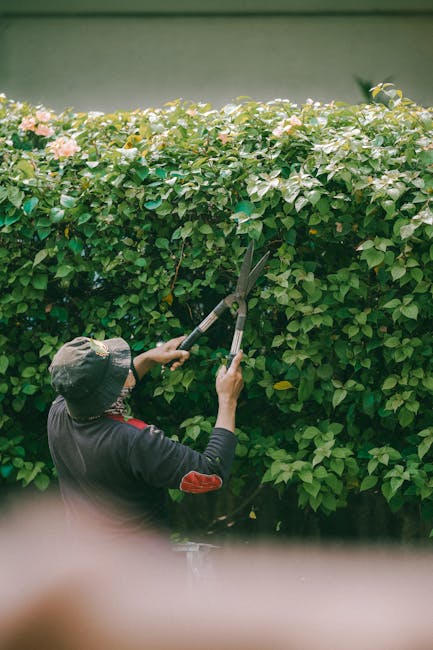
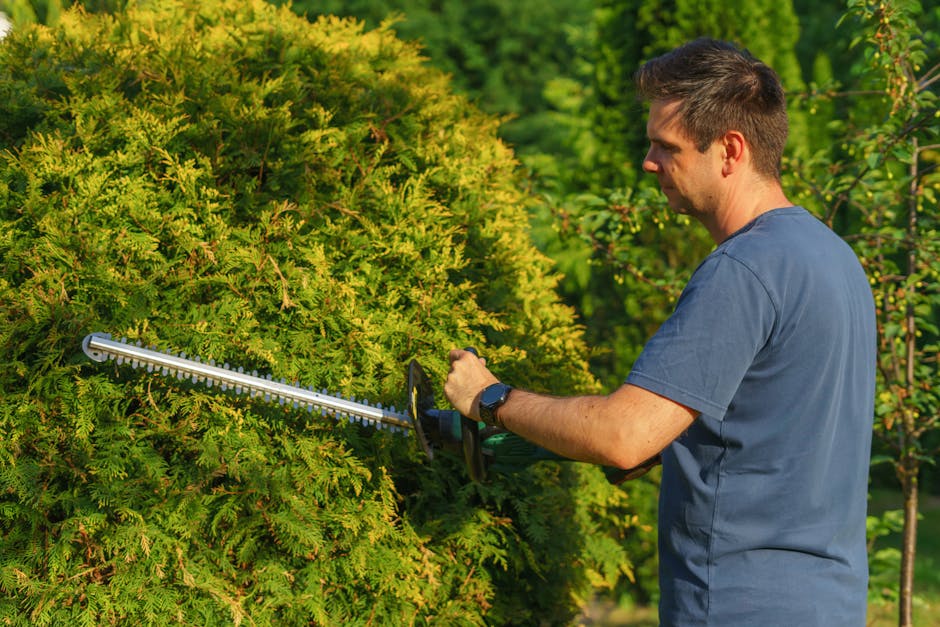
Gardeners TW3 Hounslow High Street hedge trimming guide
If you live or work near Hounslow High Street, you already know how quickly a hedge can go from tidy to overgrown. One week it frames the property neatly, the next it's leaning into the pavement, catching the wind, and looking a bit tired. This Gardeners TW3 Hounslow High Street hedge trimming guide is designed to help you understand what good hedge trimming looks like, when it should happen, and how to choose the right approach for a front garden, boundary hedge, or commercial frontage.
Whether you are trying to keep a small box hedge crisp, restore an uneven evergreen screen, or simply make a property look cared for, the basic principles are the same: trim at the right time, use the right tools, and avoid cutting too hard into old wood. Sounds simple. In practice, there are a few traps people fall into. We'll walk through those too, along with practical local considerations, safety points, and what to expect if you decide to bring in professional help.
For a broader view of regular garden upkeep and related services, you can also explore the services overview and the main Hounslow lawn and garden care site as you plan the next step.
Table of Contents
- Why Gardeners TW3 Hounslow High Street hedge trimming guide Matters
- How Gardeners TW3 Hounslow High Street hedge trimming guide Works
- Key Benefits and Practical Advantages
- Who This Is For and When It Makes Sense
- Step-by-Step Guidance
- Expert Tips for Better Results
- Common Mistakes to Avoid
- Tools, Resources and Recommendations
- Law, Compliance, Standards, or Best Practice
- Options, Methods, or Comparison Table
- Case Study or Real-World Example
- Practical Checklist
- Conclusion
- Frequently Asked Questions
Why Gardeners TW3 Hounslow High Street hedge trimming guide Matters
Hedges do more than look decorative. They shape first impressions, define boundaries, support privacy, and in many gardens they soften the street scene. On or near Hounslow High Street, that matters even more because properties often sit close to footpaths, parked cars, and passing traffic. An untidy hedge can make a place feel neglected; a well-trimmed one quietly says the opposite.
Good hedge trimming is also about plant health. A hedge that is cut sensibly tends to stay denser, recover better after pruning, and keep its shape for longer. A hedge that is hacked back at the wrong time may throw out weak, sparse growth or expose bare patches that never really fill in. To be fair, that's where many DIY jobs go sideways - not because the person didn't care, but because the plant type and cutting pattern were not matched properly.
There is also a practical side. Overgrown hedges can reduce light, spill into driveways, and make gates awkward to open. For commercial premises, they can affect visibility, accessibility, and how the whole frontage is perceived. A neat hedge may not seem like a big thing, but it often changes the feel of a property more than people expect.
Expert summary: a good hedge trim is not simply about shortening growth. It is about shaping, timing, safety, and allowing the hedge to recover well after the cut.
How Gardeners TW3 Hounslow High Street hedge trimming guide Works
The basic process is straightforward, though the details matter. First, identify the hedge type. Evergreen species, deciduous hedges, flowering hedges, and topiary each behave differently. Then decide whether the hedge needs a light tidy, a formative trim, or a more corrective cut. That decision should guide everything else.
Most hedge work follows a common pattern: inspect, clear the area, trim gradually, check symmetry, and tidy up clippings. The best results usually come from trimming little and often rather than taking huge chunks off in one go. If you picture the hedge as a shape you are refining rather than a mass you are reducing, the work tends to go much more smoothly.
In local settings, access matters too. A hedge along a narrow frontage on Hounslow High Street may need careful working around pedestrians, windows, bins, parked vehicles, or shop entrances. That means the approach is not just horticultural; it is also practical and, frankly, a bit logistical. A calm, methodical setup saves time later.
If you are comparing professional help, it is sensible to look at the provider's health and safety approach and insurance and safety information. Those pages do not trim the hedge for you, obviously, but they do tell you a lot about how seriously the work is managed.
Key Benefits and Practical Advantages
The benefits of regular hedge trimming are easy to underestimate until you stop doing it. Then the hedge gets leggy, the boundary gets messy, and everything becomes a bit more work than it needed to be.
- Cleaner street appeal: the property looks maintained and orderly.
- Healthier growth: regular trimming can encourage denser foliage and better structure.
- Better light and space: especially important for small London gardens and narrow frontages.
- Improved safety: fewer overhanging branches and less obstruction on paths or drives.
- More manageable future maintenance: smaller, regular cuts are easier than major recovery jobs.
There is another benefit that people often feel before they can name it: the garden becomes easier to enjoy. You hear the difference on a still morning. Less rustle from heavy overgrowth, less visual clutter, more definition. It sounds a little romantic, maybe, but it's true. A trimmed hedge gives the whole space some breathing room.
For property owners who want a reliable ongoing arrangement, it helps to review pricing and quote options before the hedge becomes a seasonal rescue job. Predictable maintenance is usually kinder to both the hedge and the budget.
Who This Is For and When It Makes Sense
This guide is useful if you are:
- a homeowner with a front or back garden hedge that needs regular shaping;
- a landlord trying to keep a rental property presentable between tenancies;
- a shop owner or small business with frontage that needs to look sharp;
- a property manager arranging routine maintenance for several sites;
- someone dealing with an overgrown hedge that has been ignored for one season too many.
It makes sense to schedule hedge trimming when the hedge has put on enough new growth to justify a cut, but before it becomes woody and difficult to shape. In practice, that often means planning for more than one visit across the year, rather than assuming one big annual cut will do everything. Some hedges tolerate frequent trims. Others prefer lighter, seasonal attention. The trick is matching the work to the plant.
If you are unsure whether your hedge needs a simple maintenance trim or a more substantial tidy-up, a quick assessment from a local gardener is usually enough to point you in the right direction. And if you need support beyond hedging, a wider package of outdoor care can be found in the available garden services.
Step-by-Step Guidance
Here is a clear, practical way to approach hedge trimming without turning it into a weekend drama.
1. Identify the hedge type and condition
Check whether the hedge is evergreen, deciduous, flowering, formal, or informal. Look for bare patches, dead wood, pest damage, and signs of nesting birds in season. If the hedge is already stressed, a softer cut is usually safer.
2. Decide the shape you want
Most hedges do best with a slight taper: a little narrower at the top and wider at the base. This helps light reach lower growth. A vertical wall shape may look neat for a short while, but the top often shades out the bottom faster than people expect.
3. Prepare the area
Move pots, bikes, hoses, and ornaments. Sweep away loose debris if the ground is slippery. If the hedge borders a pavement or shared access point, set out the work area carefully so nothing ends up in someone's path. On a busy street, this part matters more than most people think.
4. Trim in stages
Start with the longest, uneven shoots, then step back and check the line. Repeat. It is better to make several small corrections than one heavy cut that can't be undone. Use steady movements. Don't rush. A hedge often reveals its shape only after the first pass has settled.
5. Check both sides and the top
It is surprisingly easy to make one side look perfect and the other slightly off. Walk around the hedge if possible. Look from different angles and different distances. The best shape usually becomes obvious once you stop staring at one spot.
6. Clear and dispose of clippings
Bag or collect cuttings promptly before they mat down and become slippery. If the material is woody or too bulky for normal garden waste, plan disposal in line with your local green waste system. Good cleanup is part of good trimming, not an afterthought.
7. Water and monitor if needed
After a significant trim, especially in dry weather, keep an eye on the hedge's recovery. Some hedges benefit from a little extra watering, but not a soak that leaves the roots sitting wet. Just steady observation, really.
Expert Tips for Better Results
There are a few habits that separate a decent hedge trim from a really clean one.
- Trim on a dry day if you can. Wet foliage is harder to shape and clippings are messier.
- Use your eye more than the tool. Step back often. The hedge will tell you where it is uneven.
- Keep the base slightly wider. It helps lower leaves stay alive and healthy.
- Avoid overcutting old wood. Many hedges do not regrow well from bare, woody sections.
- Work from the longest growth first. That gives you a better sense of the structure.
- Allow for bird activity in season. If nesting is present, pause and follow accepted wildlife protection practice.
One thing professionals notice quickly: hedges that are trimmed regularly are easier to keep attractive, even if they are not especially fancy species. Regularity beats drama. Truth be told, that's true for most garden jobs.
For customers who want a greener approach, it is also worth checking the provider's recycling and sustainability approach. Hedge trimmings can often be handled responsibly rather than treated as an afterthought.
Common Mistakes to Avoid
A lot of hedge trimming problems are avoidable. The tricky part is spotting them early enough.
- Cutting too much at once: this can leave gaps, stress the plant, and ruin the shape.
- Ignoring the species: a yew hedge and a flowering hedge should not be treated the same way.
- Making the top as wide as the base: this often causes lower foliage to thin out.
- Using blunt or unsuitable tools: ragged cuts can look untidy and heal less cleanly.
- Working without a clear boundary plan: this is how hedges end up crossing drives or pavements.
- Forgetting disposal: clippings left in piles can smell, compact, and become a nuisance fast.
A more subtle mistake is trimming only when the hedge becomes a problem. That usually leads to heavier cuts, more waste, and a shape that is harder to restore. Small, consistent maintenance tends to produce better results and fewer surprises. Simple, but easy to forget when life gets busy.
Tools, Resources and Recommendations
You do not always need a huge kit to trim a hedge well, but the right tools make a big difference.
| Tool / Resource | Best Use | Practical Note |
|---|---|---|
| Hand shears | Small hedges, detail work, final shaping | Great for control, though slower on large hedges |
| Hedge trimmer | Longer runs and regular maintenance cuts | Good for speed, but needs careful handling |
| Step ladder or platform | Higher hedges | Use only if stable and appropriate for the work |
| Gloves and eye protection | Safety during cutting and clearing | Worth wearing even for small jobs |
| Tarpaulin or collection sheet | Faster cleanup | Saves a lot of time on bigger hedges |
If you are planning repeated maintenance, it can help to compare service options and confirm how quotes are structured. A transparent provider should be able to explain what is included, what affects the time on site, and whether disposal is part of the job. The pricing and quotes page is a sensible starting point for that conversation.
For visitors who need a smoother browsing experience, the site also provides an accessibility statement, which is a reassuring sign when you are trying to find information quickly and clearly.
Law, Compliance, Standards, or Best Practice
Hedge trimming is usually straightforward, but a few UK best-practice points are worth keeping in mind. First, always check for nesting birds before cutting during the breeding season. If nesting activity is present, trimming should be delayed until it is safe to continue. That is standard common sense, and also the responsible thing to do.
Second, if the hedge borders a public footpath, road, or neighbouring property, make sure the work does not obstruct access or create a hazard. Clippings should not be left where they can blow into the street or cause a slip risk. A tidy setup is part of the job.
Third, safe working methods matter more than speed. That includes using suitable equipment, not overreaching from ladders, and treating power tools with respect. Many gardening jobs look simple from the pavement, but they still deserve proper caution. If you are hiring someone, it is reasonable to ask about their health and safety policy and how they manage risks on site.
Finally, if waste handling is part of the service, it is fair to ask how clippings are disposed of. A business that takes sustainability seriously will usually have a clear approach to green waste. You can read more about that in the company's recycling and sustainability information.
Options, Methods, or Comparison Table
Different hedges and different goals call for different methods. Here's a simple comparison to help you decide what fits best.
| Method | Best For | Pros | Trade-offs |
|---|---|---|---|
| Hand trimming | Small hedges, detailed shaping, topiary | Excellent control and finish | Slower, more labour-intensive |
| Machine trimming | Longer hedges and routine maintenance | Fast, efficient, consistent on regular cuts | Less precise if used too aggressively |
| Light seasonal trimming | Healthy hedges that need shaping only | Gentle on the plant, easy to maintain | Requires consistency through the year |
| Corrective pruning | Overgrown or uneven hedges | Restores structure and access | May take more than one session |
If your hedge is mainly decorative and close to eye level, hand finishing can make a big difference. If it runs the length of a boundary and just needs staying in shape, machine trimming with careful follow-up is usually more practical. Not glamorous, but effective. And sometimes that's the whole point.
Case Study or Real-World Example
Imagine a semi-detached property near Hounslow High Street with a mixed evergreen hedge along the front boundary. It has not been trimmed properly for a while. The top is uneven, the base is fairly healthy, and one end leans slightly into the pavement after a windy spell.
A sensible approach would be to avoid trying to "fix" everything in one heavy pass. The hedge would first be assessed for shape, density, and any dead sections. Next, the longest growth would be reduced gradually, taking care not to strip back into bare wood. The top would be lowered only enough to restore a clean line, while the base would be kept slightly wider to protect lower growth. Once trimmed, the clippings would be cleared immediately so the front path stays safe and usable.
The result is not just a tidier hedge. The whole frontage feels more open. Light reaches the windows better. The property looks looked-after, not overworked. That difference is subtle, but very real. You notice it when you walk past the next day and think, yes, that looks right.
For people who prefer a handled, dependable service rather than a one-off scramble, the broader garden maintenance services can be a useful option to explore. And if you ever need to understand how feedback or issues are managed, there is also a published complaints procedure for added transparency.
Practical Checklist
Use this checklist before you start any hedge trimming job.
- Identify the hedge species and approximate growth pattern.
- Check whether birds are nesting before cutting.
- Decide whether the job is a light trim, shape-up, or corrective cut.
- Clear the working area of pots, tools, and obstacles.
- Wear suitable gloves and eye protection.
- Start with the longest growth and work in stages.
- Step back regularly to check symmetry and height.
- Keep the base slightly wider than the top where appropriate.
- Collect and dispose of clippings promptly.
- Review whether ongoing maintenance would save time next season.
If payment or booking is involved, it is also sensible to check the provider's payment and security information. That is one of those unexciting details that matters a lot when you actually need it.
Get a free quote today and see how much you can save.
Conclusion
A good hedge trim is part craft, part planning, part patience. For properties around Hounslow High Street, it can make a front garden, boundary, or business frontage look sharper almost immediately. More importantly, regular trimming keeps hedges healthier, safer, and far easier to maintain over time.
If you remember only one thing from this guide, make it this: trim with the plant's shape and growth habit in mind, not just the desire to make it shorter. That one shift in thinking prevents a lot of frustration later. And if the hedge is already too far gone for a simple tidy-up, that's fine too. It just means the job needs the right approach, not a rushed one.
For readers who want dependable support, clear communication, and a straightforward next step, choosing a local team that explains its process clearly is usually the best place to start. There is a certain peace of mind in that. Small, tidy things matter more than we admit.
Frequently Asked Questions
How often should a hedge be trimmed in TW3?
It depends on the hedge type and how formal you want it to look. Fast-growing hedges may need trimming more than once a year, while slower growers can often be maintained with lighter, seasonal attention.
What is the best time of year to trim hedges?
That depends on the species. Many hedges are trimmed during active growth or after nesting season, but flowering hedges need more careful timing. If you are unsure, it is safer to identify the hedge first and trim accordingly.
Can I trim my hedge back hard if it has become overgrown?
Sometimes, but not always. Some hedges respond well to harder pruning; others do not regenerate from old wood very well. A cautious, gradual reduction is usually the safer option unless you know the species tolerates a harder cut.
Do I need a professional gardener for hedge trimming?
Not always. Small hedges and light maintenance can often be managed by a confident homeowner. For taller, thicker, or awkwardly placed hedges, a professional is often the safer and more efficient choice.
Will hedge trimming damage the plant?
Done properly, trimming should not damage the hedge. In fact, regular trimming often helps maintain shape and density. Problems usually come from cutting too hard, cutting at the wrong time, or using poor technique.
What should I ask before hiring gardeners in Hounslow High Street?
Ask what is included, how they handle waste, whether they have insurance, and how they manage safety on site. It is also helpful to ask whether they provide maintenance advice for future visits.
Can hedge clippings be recycled?
Usually, yes, if they are collected and handled properly as green waste. Many local garden services will explain how they manage disposal or recycling. It is worth checking before the work starts.
What if my hedge is on a boundary with a neighbour?
It is best to confirm ownership and agree access if needed before any major work begins. A polite conversation beforehand can prevent a lot of awkwardness later. Nobody enjoys a boundary dispute over a few inches of foliage.
Are there safety risks with hedge trimming?
Yes, especially with ladders, power tools, and awkward reaching. Eye protection, stable footing, and proper planning matter. For taller hedges, the risks rise quickly, so professional help is often sensible.
How do I know if my hedge has been trimmed too much?
If the hedge looks thin, patchy, or visibly cut back into bare woody sections, it may have been reduced too hard. A good trim should leave the hedge neat but still naturally covered and balanced.
Can hedge trimming improve privacy?
Yes, though it depends on the hedge height and density. A well-managed hedge can maintain a useful screen while still looking tidy and controlled. If privacy is the main goal, shaping must be done carefully so you do not lose too much cover.
How do I get a quote for hedge trimming?
The easiest route is usually to request a quote based on hedge length, height, access, and condition. If you want a starting point, review the pricing and quotes page and share a few clear photos if possible. That tends to speed things up nicely.