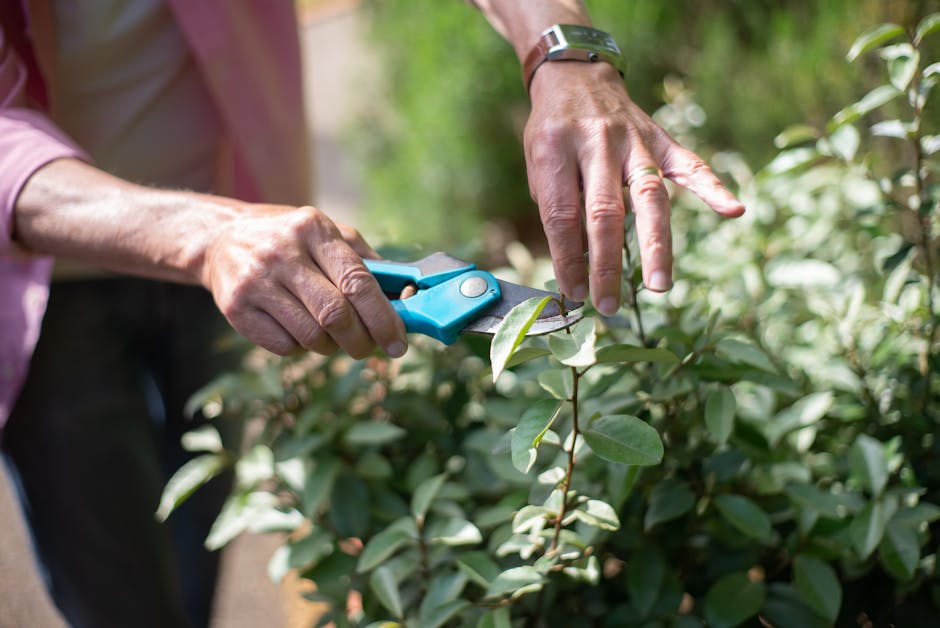
Garden care guide for Osterley Park homes in Hounslow
If you live near Osterley Park, you already know the gardens around this part of Hounslow have a slightly different feel: mature trees, sheltered corners, pockets of shade, and that classic west London mix of ambitious planting and practical family space. This Garden care guide for Osterley Park homes in Hounslow is here to help you keep things tidy, healthy, and enjoyable without turning every weekend into a second job. Truth be told, most gardens do not need perfection. They need rhythm, attention, and the right kind of care at the right time.
In this guide, you will find seasonal advice, step-by-step maintenance, common mistakes to avoid, and a few local considerations that matter more than people expect. Whether your outdoor space is a compact courtyard, a family lawn, or a bigger garden with hedges and borders, the aim is the same: better results with less guesswork.
For homeowners comparing support options, it can also help to review the full range of garden and lawn services alongside practical details such as pricing and quotes. If you are just browsing, that is a sensible place to start.
Table of Contents
- Why garden care matters in Osterley Park homes
- How garden care works in this part of Hounslow
- Key benefits and practical advantages
- Who this is for and when it makes sense
- Step-by-step guidance
- Expert tips for better results
- Common mistakes to avoid
- Tools, resources and recommendations
- Law, compliance, standards and best practice
- Options, methods and comparison table
- Case study or real-world example
- Practical checklist
- Conclusion
- Frequently asked questions
Why Garden care guide for Osterley Park homes in Hounslow Matters
Garden care is not just about making a place look neat for a Saturday afternoon. In and around Osterley Park, gardens often deal with a few local pressures at once: mature trees dropping leaves, shaded lawns that thin out, compacted soil in well-used family spaces, and weather that can switch from wet to dry fairly quickly. That combination can make even a modest garden feel hard work if you let things slide.
Regular care matters because small issues build up quietly. A little moss becomes a patch. A patch becomes a lawn that feels spongy underfoot. A hedge that was "fine for now" suddenly blocks light from a border that had real potential. You know how it goes. The garden does not collapse overnight, but it does drift.
There is also a lifestyle side to it. A tidy, healthy garden gives you more usable space, better kerb appeal, and less stress. If you are planning to sell, rent out, or simply enjoy your home more, the outside space plays a bigger role than many people admit. In fact, the first thing you notice when a garden is well cared for is not always the flowers. It is the feeling that someone is on top of it.
For homeowners who want professional help but still value transparency, it is worth checking the company's insurance and safety information and its health and safety policy. That kind of detail builds trust, and rightly so.
How Garden care guide for Osterley Park homes in Hounslow Works
Good garden care works on a simple principle: observe, maintain, correct, repeat. It sounds basic, but the difference between a healthy garden and a tired one usually comes down to routine. Instead of waiting until everything looks rough, you work with the seasons and respond to what the garden is telling you.
For most homes, the process includes a few recurring jobs:
- mowing the lawn at the right height for the season
- edging and clearing borders so plants have space
- hedge trimming before growth becomes unruly
- leaf clearance, especially in autumn
- basic weed control before weeds root deeply
- feeding, mulching, or watering where needed
- checking for pests, disease, or drainage issues
In Osterley Park and the surrounding Hounslow area, shade and moisture are often the two things that shape the schedule. A lawn under trees will not behave like a sun-soaked patch in a more open street. It may need less frequent cutting, but more attention to moss, airflow, and drainage. That is the bit people sometimes miss.
If you want to understand how these tasks fit into a broader maintenance plan, the services overview offers a useful sense of what a structured approach can look like. And if sustainability matters to you, it is worth reading the page on recycling and sustainability as well. Garden care should not create unnecessary waste.
Key Benefits and Practical Advantages
The most obvious benefit is visual. A cared-for garden looks cleaner, brighter, and more intentional. But the practical gains are usually more valuable over time.
- Healthier lawn growth: Regular mowing, feeding, and aeration help grass stay denser and more resilient.
- Better drainage and airflow: Keeping beds and lawns clear reduces damp pockets where problems start.
- Less weed pressure: Routine maintenance prevents weeds from taking over, which is far easier than trying to reclaim a neglected area.
- Safer use of outdoor space: Clear paths, trimmed edges, and manageable growth reduce trip hazards and awkward corners.
- Improved privacy and light: Thoughtful hedge and shrub care keeps the garden balanced rather than closed in.
- More predictable upkeep: Small, regular tasks are far easier on your time and budget than major catch-up work.
There is also a quieter benefit: confidence. When you know the garden is under control, you stop dreading what you will find after a wet week or a windy spell. That peace of mind counts. Especially if you have children, pets, or visitors coming over, or simply want to sit outside with a cup of tea without staring at the weeds first.
Expert summary: In Osterley Park homes, the best garden care is usually not the most dramatic. It is the most consistent. Small jobs done often beat big rescue jobs done late.
Who This Is For and When It Makes Sense
This guide is useful for a wide range of homeowners and property managers in Hounslow, but it is especially relevant if your garden has one or more of the following traits:
- mature trees or partial shade
- a lawn that gets patchy after wet weather
- hedges that grow quickly in spring and early summer
- borders that become weedy after a busy season
- limited time to keep on top of routine maintenance
- a home you want to present well for resale or letting
It also makes sense if you are considering whether to handle everything yourself or bring in help. Some gardens only need light weekly attention. Others need a more structured plan, especially where the grass is thin, the boundaries are overgrown, or access is awkward. Let's face it, not every garden is a quick mow-and-go job.
If you are weighing that decision, the combination of clear quote information and the company's service breakdown can help you compare what is sensible for your situation. And if you want to understand how a provider handles queries or concerns, the complaints procedure is another useful trust signal. Not glamorous, but it matters.
Step-by-Step Guidance
A practical garden care routine does not need to be complicated. Here is a straightforward way to think about it through the year.
1. Start with a proper walk-through
Before you cut, trim, feed, or water anything, walk the garden slowly. Look for low spots, overgrown sections, broken branches, dead patches in the lawn, weeds in gravel or paving, and anything that looks out of place. Early morning is often best because the light shows detail. You will spot more when the garden is still and damp. Strange but true.
2. Clear the obvious clutter
Remove leaves, twigs, pots, toys, and anything else that blocks access. This makes the work easier and stops hidden debris from damaging tools or choking grass. In autumn, leaf fall can become a full-time hobby if you ignore it for too long.
3. Cut the lawn to suit the season
In cooler or wetter periods, mow less aggressively and avoid scalping the grass. In warmer growth periods, a slightly more regular cut helps keep the lawn thick and even. If parts of the garden are shaded, they may need a higher cut than the sunnier areas. That simple adjustment can make a huge difference.
4. Edge and shape the borders
Clean edges make the whole garden look sharper. They also stop grass from creeping into beds and paths. A neat edge is one of those tiny details that changes the feel of a garden immediately.
5. Tackle weeds before they settle in
Pull weeds when the soil is damp, roots and all if possible. For larger infestations, a longer-term approach is better than endless snatching at the leaves. Weed control is most effective when you are consistent, not heroic.
6. Inspect hedges and shrubs
Trim with the shape and season in mind. Avoid cutting back nesting areas during bird breeding season unless you have checked carefully and understand the rules that apply. If in doubt, be cautious. It is the right call.
7. Feed, mulch, and water where needed
Lawns and borders do not always need the same treatment. A hungry border plant may benefit from mulch, while a lawn may need the right feed at the right time rather than more water. Water deeply but less often when conditions are dry, and early morning is usually the better time.
8. Finish with a tidy-up
Gather clippings, sweep paths, check gates, and give the space one final look. A good tidy-up is not cosmetic fluff; it prevents slip hazards and stops cuttings from smothering healthy growth.
Expert Tips for Better Results
The best results often come from small adjustments, not major overhauls. Here are a few practical tips that make a real difference in Osterley Park gardens.
- Raise the mower height in shade: Grass under trees usually needs a bit more leaf area to stay strong.
- Do not mow wet grass if you can avoid it: It clumps, smears, and can leave the lawn looking tired.
- Mulch borders after clearing weeds: It helps suppress fresh growth and keeps moisture in the soil.
- Trim hedges little and often: This keeps them tidy without creating harsh cuts or gaps.
- Use sharp tools: Blunt blades tear grass and stems, which can make the garden look ragged.
- Watch drainage after heavy rain: If water sits in the same place repeatedly, that needs attention sooner rather than later.
One local reality worth mentioning: gardens close to mature planting or tree cover often look beautiful but require a bit more patience. Moss, leaf litter, and shade-loving weeds can appear before you expect them. That is not a failure. It is just the setting.
If you are arranging professional help, it is reassuring to know the provider is clear about payment and security. That kind of practical confidence makes the whole process smoother.
Common Mistakes to Avoid
Some garden problems are caused less by neglect and more by well-meant mistakes. Happily, most of them are avoidable.
- Cutting grass too short: This weakens the lawn and leaves it exposed to drought, moss, and wear.
- Ignoring edges and corners: Small forgotten areas become the first places weeds and mess collect.
- Using the same routine all year: A summer garden and a winter garden need different attention.
- Overwatering: More water is not always better. It can encourage shallow roots and damp-related issues.
- Leaving hedge trimming too long: Overgrown hedges are harder to shape well and can block light from beds and lawns.
- Neglecting disposal: Clippings, branches, and leaves need responsible handling, not just piling up in a corner.
Another common one? Trying to do everything in one go after weeks of delay. It usually ends with sore arms, a half-finished job, and more mess than before. Better to split work into manageable blocks. Honestly, that approach wins most of the time.
Tools, Resources and Recommendations
You do not need a shed full of specialist kit to maintain a decent garden. A few reliable tools, used properly, will take you a long way.
| Tool or resource | Best use | Why it helps |
|---|---|---|
| Lawn mower | Routine grass cutting | Keeps growth even and stops the lawn becoming unruly |
| Edging tool or strimmer | Path and border edges | Sharpens the garden's appearance and reduces overgrowth |
| Bypass secateurs | Small pruning jobs | Cleaner cuts for stems and light woody growth |
| Leaf rake | Autumn clearing | Protects grass from smothering and keeps surfaces tidy |
| Spade or border fork | Weed removal and soil work | Helps loosen compacted areas and lift roots more effectively |
| Watering can or hose | Targeted watering | Useful for borders and dry spots without wasting water |
For householders who prefer to hand over the hard work, it helps to check what is included before committing. The company's service overview gives a broader picture, while the recycling and sustainability page is useful if you care about how clippings and green waste are handled.
If accessibility matters to your household or you simply prefer easy-to-navigate information, the accessibility statement is worth a look too. Small detail, big difference.
Law, Compliance, Standards, or Best Practice
Garden care in a residential setting is usually straightforward, but there are still a few important standards and expectations to keep in mind. The exact rules can vary depending on the work, the property, and the time of year, so it is always wise to take a cautious, common-sense approach.
For example, if trees or hedges may affect wildlife nesting, trimming should be handled carefully and only when it is appropriate to do so. Likewise, if garden work involves powered tools, ladders, or debris removal, safe working practices matter. That includes correct use of equipment, protective gear where needed, and sensible site checks before work begins.
If a service provider is involved, you would reasonably expect them to have appropriate safety processes and insurance in place. That is why pages such as insurance and safety and health and safety are more than paperwork. They help set expectations and show that risk is being taken seriously.
There is also a wider good-practice point around waste. Green waste should be dealt with responsibly, and where possible, recycling or composting is better than sending everything to general waste. If you are comparing providers, a clear policy on disposal and sustainability is a good sign. It is one of those things people forget to ask about until later, then wish they had.
Options, Methods, or Comparison Table
Different gardens need different levels of attention. Here is a simple comparison to help you decide which approach fits your home.
| Approach | Best for | Pros | Trade-offs |
|---|---|---|---|
| DIY upkeep | Small, straightforward gardens | Flexible, lower direct cost, full control | Time-consuming, can slip during busy periods |
| Occasional professional help | Gardens needing seasonal resets or catch-up work | Useful for heavier tasks and tidy-ups | Less consistent than scheduled care |
| Regular maintenance service | Busy households, rental properties, larger gardens | Predictable results, less stress, better continuity | Ongoing cost, though often easier to plan |
If you are unsure which route to take, think about your real routine, not your ideal one. A garden care plan only works if it fits your life. A flawless plan that nobody keeps to is just a nice idea.
Case Study or Real-World Example
Take a typical Osterley Park home with a lawn at the back, a shaded side return, and a few mixed borders that looked lovely in spring but got messy by midsummer. The owner started with a big clear-out: leaf removal, border weeding, edging, and a careful mow at a slightly higher setting than before. Nothing fancy. Just a proper reset.
Next came a simple maintenance rhythm: mow more often in growth periods, trim the hedge before it started leaning into the path, and mulch the borders after clearing the worst weeds. The shaded side return needed less mowing but more attention to moss and drainage. That was the key adjustment.
Within a few weeks, the garden felt different. Not because it had been transformed into a showpiece, but because it became usable again. You could walk through it without brushing past weeds. The lawn looked healthier. The whole space felt calmer, which is sometimes the real goal.
That sort of improvement is very ordinary, and that is exactly why it works. No drama. Just steady progress.
Practical Checklist
Use this checklist to keep your garden care on track through the season.
- Walk the garden and note problem areas
- Remove leaves, branches, and general debris
- Mow lawns at the right height for the conditions
- Trim edges around paths, beds, and fences
- Clear weeds before they spread
- Check hedges and shrubs for shape and safety
- Inspect shaded or damp areas for moss and drainage issues
- Water deeply only where needed
- Dispose of green waste responsibly
- Review whether your current routine is realistic
Quick takeaway: If you only do three things regularly, make them mowing, edging, and weed control. Those three alone will prevent a lot of bigger headaches later.
Conclusion
Garden care for Osterley Park homes in Hounslow works best when it is practical, seasonal, and consistent. The local environment asks a bit more of you than a bare, exposed plot might, but that is not a problem if you understand the rhythm. Shade, leaf fall, moisture, and growth all shape what your garden needs, and once you respond to those patterns, everything becomes easier.
Whether you manage the garden yourself or bring in support for the heavier lifting, the goal is the same: a space that looks good, feels usable, and does not become a source of background stress. That is a fair win, really.
Get a free quote today and see how much you can save.
And if you want a provider with a straightforward service approach, you can always start with the main home page and then work through the details that matter most to you. A well-kept garden has a way of making home feel lighter. Simple as that.
Frequently Asked Questions
How often should gardens near Osterley Park be maintained?
Most gardens benefit from light, regular attention rather than occasional heavy work. Lawns may need weekly or fortnightly mowing in active growth periods, while weeds, hedges, and borders should be checked frequently enough that small issues do not get out of hand.
What is the best lawn height for a shaded garden?
Shaded lawns often do better when cut a little higher than open, sunny lawns. That gives the grass more leaf area for photosynthesis and helps it stay resilient. Cutting too short in shade can make the lawn thin and patchy.
Should I mow wet grass in Hounslow?
It is usually better to avoid mowing wet grass if you can. Wet grass clumps more easily, can leave an uneven finish, and may stress the lawn. If the garden is very damp, waiting for a drier window is often the better call.
How do I stop moss from taking over my lawn?
Moss often appears where grass is weak, the soil is compacted, or the area is shaded and damp. Improving mowing height, reducing compaction, clearing debris, and addressing drainage can all help. If the problem is persistent, the underlying cause is usually more important than the moss itself.
What should I do with garden waste after a cleanup?
Garden waste should be collected and disposed of responsibly, ideally through recycling or a proper green waste route where available. Leaving piles of clippings or branches in corners can attract pests and make the garden harder to manage later.
Is it worth hiring a professional for small gardens?
Yes, it can be. Small gardens still need regular care, and if your time is limited, a professional can often keep the space in good shape with less hassle. The question is not size alone, but how much attention the space needs.
How do I choose between one-off and regular garden maintenance?
One-off work is useful for a reset, seasonal tidy-up, or catching up after a busy period. Regular maintenance makes more sense if the garden grows quickly, is used often, or has features like hedges, borders, and lawn areas that need continuity.
Are there safety issues I should check before garden work starts?
Yes. Look for uneven ground, hidden debris, loose paving, unstable branches, and access issues. If powered tools or ladders are involved, safer working methods become even more important. A responsible provider should have clear safety procedures in place.
Can garden care improve kerb appeal quickly?
Absolutely. Fresh mowing, clean edges, weed removal, and a general tidy-up can change the feel of a property very quickly. You do not always need a full redesign; sometimes the fastest improvement comes from simply making the space look cared for.
What is the most common mistake homeowners make with lawn care?
Cutting the lawn too short is probably the most common one. It may look neat for a short time, but it weakens the grass and can make the lawn more prone to drought, moss, and wear. A slightly higher cut is usually safer.
How do I know whether a garden service is trustworthy?
Look for clear information about services, pricing, insurance, safety, and complaint handling. Useful pages such as insurance and safety and complaints procedure are a good sign that the provider takes accountability seriously.
When is the best time of day to water plants?
Early morning is usually the preferred time because water reaches the roots before the heat of the day and there is less evaporation. Evening watering can sometimes leave foliage damp for longer than ideal, depending on the weather and plant type.